Posted in #Teaching, Confessions, poetry

Who Are You? by Ginger Keller Gannaway

When I consider my 34 years of teaching, I think one of my most important challenges was understanding and supporting each of my teen-aged readers and writers. As an English teacher, I see the task of “getting to know your students” as a Herculean job since we also have to grade and give useful feedback on their essays and research reports.

My students often shared things in their personal narratives that shocked, saddened, or confused me. (And I’m NOT talking about the handwritten scribbles without punctuation or capitalization or the cursive that is so tiny I needed either direct sunlight or a magnifying glass to figure it out). I’m referring to the loneliness, the trauma, the heartaches, and the stress they routinely shared in their essays. I’m remembering the stories that made me cringe, laugh aloud, and cry. I’m remembering the ones that called for an after-class conference or a visit to the school counselor.

 I felt both honored and burdened by their honesty. Since high school teachers often have rosters with 180-plus students, how do we learn their names before back-to-school night?  How do we handle so much angst, joy, depression, immaturity, intelligence, and cynicism without giving up every second of our home lives? And how do I separate each school day’s drama from my family responsibilities? How do I focus on my own children’s needs and forget my students’ issues?

Like the tv series Severance where Lumon employees sever the connection between their work lives and their private lives. A worker’s “innie” doesn’t remember anything about his/her “outie” home life (and vice/versa). Maybe a teacher could cope better if her “outie” forgot all the details of her “innie” life.


I’ve taught over 6,000 students, and I confess I don’t remember every single kid. But so, so many smiles, smirks, glares, and empathetic nods remain. The ones who shared their wisdom and laughter stay with me as much as the ones who made me cry and rush to another teacher or an assistant principal for help. The faces, of course, linger longer than the names.

Here is a short account of one of my students. Using a different name, this is a brief remembrance of an unforgettable freshman at Crockett High School.

Thomas                 

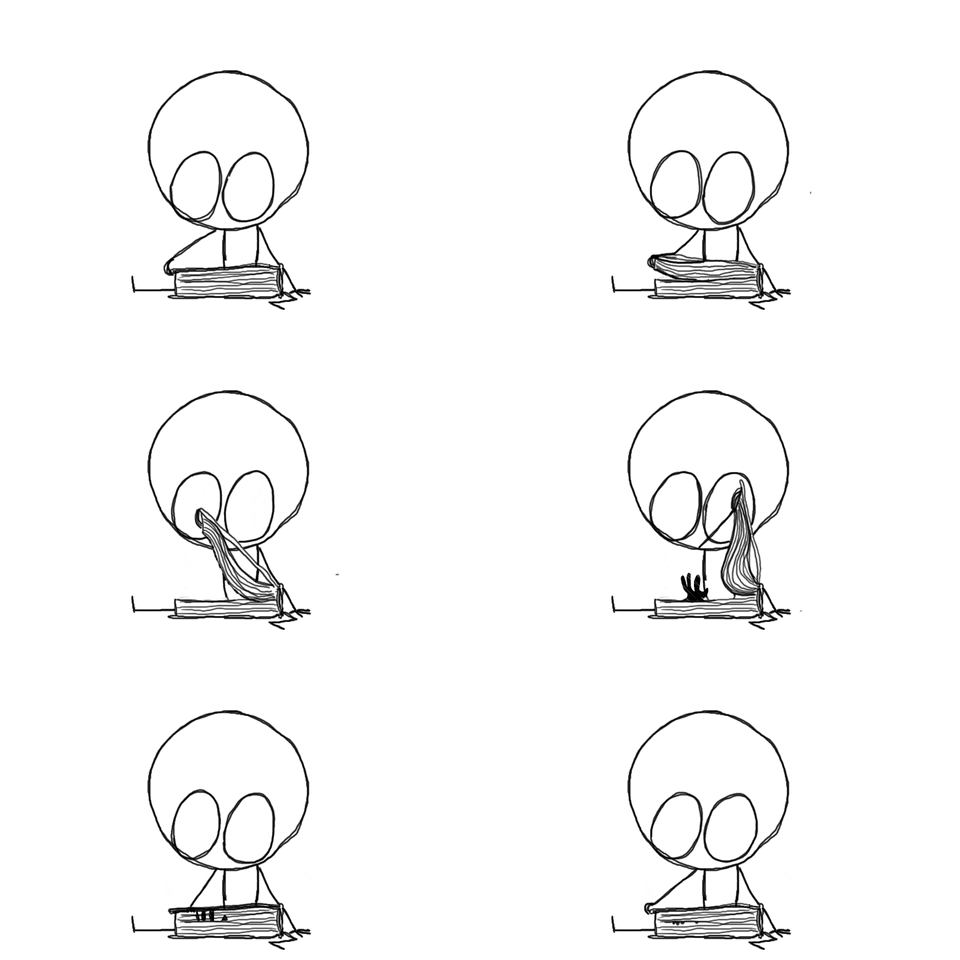
Three weeks into the school year I noticed a freshman’s black and white marbled composition book on my desk atop fat folders of ungraded quizzes – a writing journal without a name and not returned to second period’s designated shelf where even stacks of non-spiral notebooks gave the illusion of order.
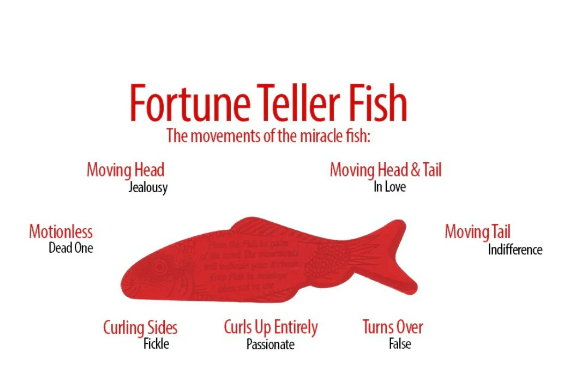
I finished writing next period’s agenda on the streaked white board before I flipped through pages of black ink scrawls that made the lined paper curl like those paper-thin red plastic fish that move in your palm and predict the future. The last few pages had more cursive than print and less punctuation. “i sit on the roof & wonder why im even here” made me sit down. I scanned previous lines about “a heart of hurt,” a girl’s “soulful eyes,” a “silence that slices” and a “cold colorless world.”

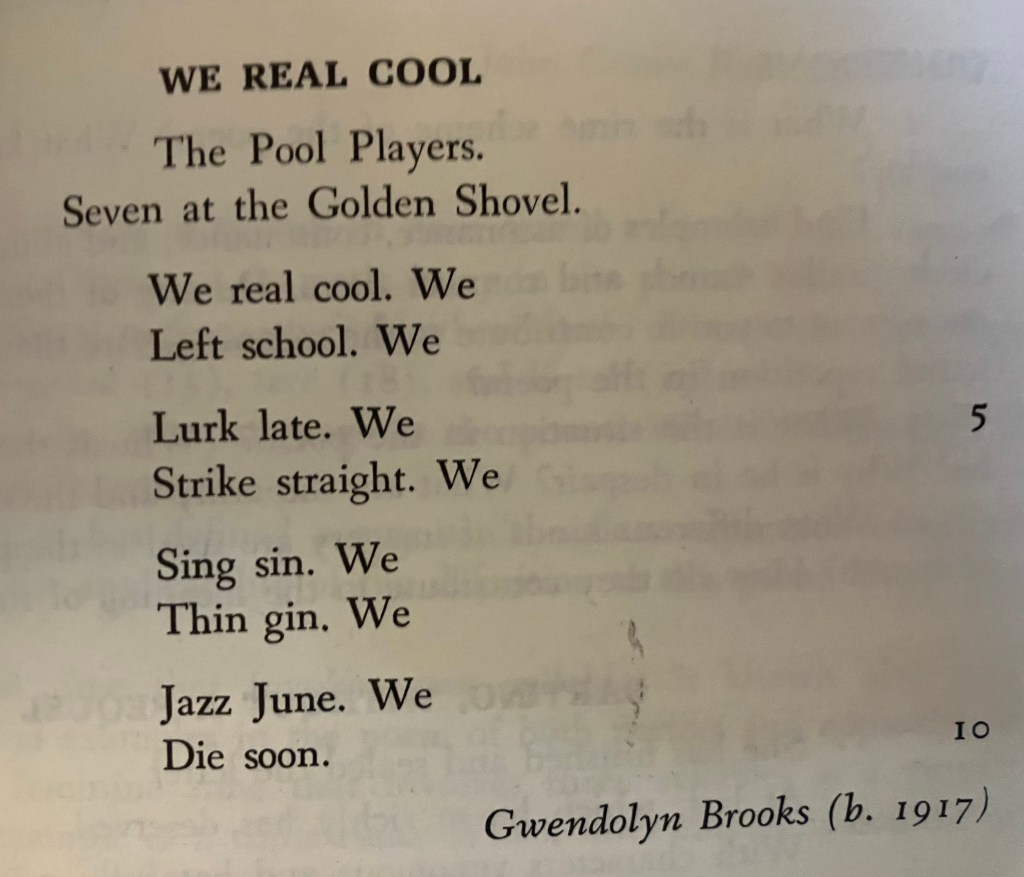
I reread the notebook searching for a specific name. Nothing. I flipped through second period’s quizzes searching for that same hard-pressed ink, minimal punctuation, print/cursive mix, and the lowercase i’s until I held Thomas’s quiz about Gwendolyn Brook’s poem “We Real Cool.” He’d circled the poet’s use of alliteration and underlined “We die soon” six times.

I referred back to Thomas’s journal and touched the words “on the roof” before having the sense to seek help. I rushed downstairs to my favorite counselor’s office. The woman who focused on class schedules and state mandated testing switched to doing what she was trained to do. We compared the journal with the quiz paper and agreed Thomas was the author. A slim boy with wild blond curls and a skateboard stuck out of his backpack. He wore over-sized, faded 80’s rock concert t-shirts and loose black jeans. A mix of grunge and emo. Withdrawn yet observant. Someone who sat in the back row, stared out the window, and usually avoided his 31 classmates. Someone a teacher with 184 students could fail to notice.

My vague answers to the counselor’s specific questions made me squirm. We labeled Thomas a smart student with a “B” average, neither a joiner nor a trouble maker. He melded into crowds of teens struggling to be seen and ignored at the same time.
I thought about next week’s Back-to-School Night when tired parents would come to Crockett High School to trudge up and down stairs and visit eight teachers who might remember half of their students’ names, so the question “How’s my son doing?” was as pointless as “What’s my kid’s blood type?”

By now I had missed my lunch duty and had eight minutes before third period began. The counselor kept the journal and nodded to me while reading details about Thomas’s classes and his family on her computer.

I left her office, walked through the school’s open-air courtyard, and looked up past the massive oaks and concrete steps that led to my second floor classroom. Could Thomas be on the school roof? Or across the street atop the flat tops of the strip mall businesses? Had he gone to the neighboring city park’s rec. center next to an empty swimming pool with a peeling, cracked blue bottom?

At my desk I ate broken Pringles from a plastic baggy. I thought of the one time Thomas had spoken up in class telling a peer to “quit stereotyping the story’s protagonist.” My teacher heart had danced a jig then, but I couldn’t remember the rest of the literary discussion. I thought of Thomas’s extra dark eyes beneath long bleached curls and how he responded to my morning greetings with eye contact and head nods.

The assault of third period’s buzzer-bell sent me to my door to greet 33 teens. My after-lunch sophomores came in loud and messy. Conspiratorial laughs from two girls preceded a running Sam who tossed a bag of Flamin’ Hot Cheetos to Carlos who tugged on a cheerleader’s backpack which made her yell, “Loser!” before swatting at the runner who headed toward a window past short, short Cici who wore headphones and slipped into her desk before putting her head down while a new girl taller than me stopped at my door. New girl’s thin hand with chipped black nail polish held a printout from the attendance office. I gave her a smile and a “Hey there,” took the paper, and pointed to my last empty desk. When Gabriella began passing out the black and white journals, I forgot which chapter of Animal Farm we were on because all my head could do was scan rooftops for a fourteen-year-old boy I hardly knew.  

Note to readers:  The school counselor did locate Thomas off-campus that day. He was hanging out in Garrison Park and despite his broken heart he was fine. She talked with him, but I never confronted him about the “sitting on the roof” drama. He passed freshman English and graduated a few years later. I have no further info. but I hope he remembers some of the literature we talked about like I’ll always remember the panic I felt about the journal he had left on my desk and my flawed attempt at “getting to know my students.”

Posted in Friendship

Playing School by Ginger Keller Gannaway

This story is based on my memories of sharing my wisdom with my younger sisters in the 1960s.

Me, Gayle, and Kelly in 1966

When I was seven years old I tried my hand at what would become my future profession. On a late summer afternoon, I smoothed the front of a stiff red and white church dress, brought my tanned bare feet together, repositioned my white plastic headband, and looked my class over from the white brick fireplace hearth that raised me three inches above those I’d be instructing. Kelly, age three, wearing light blue shorts and a sleeveless white cotton crop top sat crosslegged on the living room carpet. She held a Big Chief tablet and a red crayon. Gayle, age five, wore a faded Tweety bird t-shirt with a never-worn navy school uniform skirt and sat erect on a small wooden chair. She tapped her brand new letter-practicing book with a fat pencil and wriggled her toes as she stretched her feet to touch the legs of a red and yellow plastic chalk board that came with my surprise birthday gift that year: a Suzy Smart Deluxe Doll Set!  

Suzy Smart, dressed in a white blouse under a red plaid jumper and standing two feet tall, completed the class and sat stiffly in her own red and yellow plastic desk. I smiled down at my class of three and held up a piece of chalk to draw a large capital letter “A” on the chalk board. 

My grandson’s chalkboard

“Today we practice our A’s.” I established eye-contact with each student and added, “Y’all gotta draw ten A’s for me. On your mark, get set… go!”
 
Gayle took to the assignment like a Cajun to hot boudin. Having to use her lap was all that kept her from making uniform A’s. Kelly tried her first A, but the slanted lines were uneven and her letter did not look like the one on the chalk board. 

“I’m gonna make little ‘l’s’,” she said and started covering her first page with a letter she liked.

I focused on the obedient ones. “Good job, Gayle,” I said.  Suzy gave me her straight-forward stare. “Nice listening, Suzy.”  

Then I knelt down next to Kelly. “Your ‘l’s’ are good, good, but we’re doing ‘A’s.’  Here. Let me show you how.” I put my hand over her fist and guided the red crayon through a perfect A formation. “Like this.”  

Kelly pushed aside a stray strand from a pigtail and said, “OK,” and continued to drew more l’s. 

“You already made like fifty l’s . You need to learn your A’s.”  

“No A’s in my name.” 

“Good! You know how to spell your name, but I’m teaching ALL the letters today.”

“ ‘A’ is the very first letter,” said Gayle as she completed her tenth “A” and nodded proudly to each of  us, including Suzy. She wrapped a long strand of jet black hair behind right her ear and waited for further instructions.

“How many letters?” asked Kelly.

Getting a bit of teacher inspiration, I said, “We should sing the A-B-C song!”

The human students stood up to belt out “A,B,C,D,E,F,G…”  Susie listened. As Kelly screamed out the final Z, she grabbed Gayle’s hands, and led her in circles for the “Now I know my ABC’s” part.

The dancing pupils added impromptu hip-shaking for their song’s end.

I was losing control of my class.  I erased the “A” and drew a “B” on the chalk board.   “Good job, y’all! Now let’s practice the second letter – B.” My sisters then snapped to like tiny soldiers and for some weird reason saluted.

“Ok, class. Sit down now,” I said. Both obeyed, but first Kelly snatched Gayle’s new pencil gave her the red crayon.

“Hey. Give it back,” said Gayle.

“Just let me borrow it.”

“You suppose to ask.”

“Can I use your pencil?”

“Please.”

“Pleeeease.”

“Say pretty please.”

“Pretty please, ya dumb sneeze.”

“She called me ‘dumb,’ Teacher!”

Kelly stuck her tongue out at the snitch. I clapped my hands together. “Class! Y’all gotta listen.” Gayle grabbed her pencil back and bounced the crayon off Kelly’s pert pug nose. 

Kelly picked up Gayle’s letter practice book and ran behind me. “I’m agonna rip this up,” she said.

Gayle could not wait for help from an inept teacher. She knocked over both Susie’s and her desk as she rushed after Kelly. 

I tried keeping the girls apart as Kelly danced behind me and moved the book in circles around her face.

“Na! Na! Na! You can’t get me,” she chanted right before Gayle got ahold of her right pigtail. The letter book fell, the chalk board collapsed, and Kelly sprang into fight mode. Both girls got fistfuls of hair. For several seconds the hair-pulling tug-of-war was a stalemate. Gayle’s longer arms gave her an advantage, but Kelly’s spicy temper made it a fair fight.

“Stop it! Y’all are wrong, wrong! Stop!” I said as I pushed my way between them. 
Kelly was biting her stuck-out tongue to concentrate. Gayle had both of her sister’s pigtails when Kelly dropped her sister’s hair strands. Her smaller stature lacked the force she needed to make Gayle release the pigtails, so Kelly leaned back and kicked her left foot high enough to get her foe right in her tee-heinie. The taller girl let go of the shorter one’s hair and fell to the carpet. She put both hands over the place of pain and let loose the “OWWWWW’s”

“That’s what you get,” said Kelly.

Gayle moaned like a dying opossum.

I sat on Gayle’s chair in defeat. Kelly tapped a line of dots on the fallen chalkboard as her sister made herself into a ball on the floor. I straightened the bow on the Suzy doll’s ponytail and sighed as if I’d dropped the last bite of the last slice of watermelon into a pile of fire ants.

Being used to sister fights and being relieved that I was above this current argument, I went to the den’s plaid couch and looked out our huge picture window. Our dog Lady was taking her mid-morning nap in the shade of our cement patio. I focused past our yard on the rice fields that surrounded our home. The sun winked at me between oak tree branches. With a sigh that reflected on and accepted my big sister wisdom, I decided that teaching was not for me.

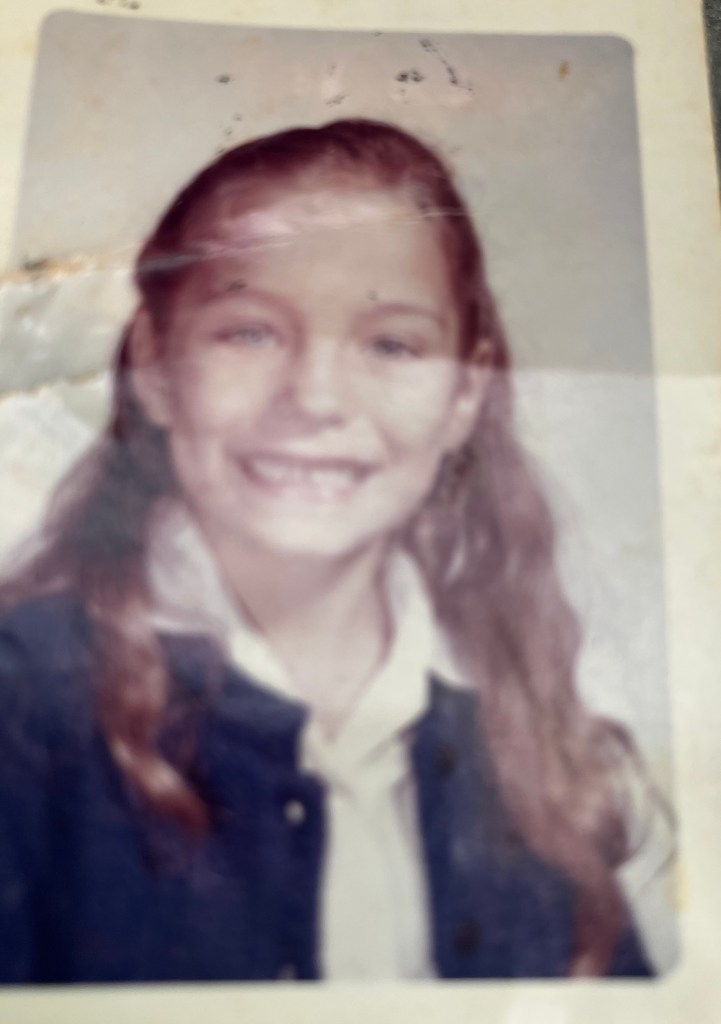
My first grade photo

Posted in #Teaching, Confessions

Falling into a Box

by Ginger Keller Gannaway

I never dreamed of being a teacher. In 1965, at age nine, reading was my favorite pastime, and I wanted to be a writer. After seeing Funny Girl in 1968, I wanted to be an actress. As I endured my high school years, my cerebral palsied limitations (a mostly useless left hand and a limping leg) I changed my dreams of being on stage with Barbra Streisand to being her best friend. In college I decided writing was my best option, so I majored in journalism. I switched to creative writing when I realized there was a typing requirement for the compulsory news reporting class. After I spent one thrilling semester as a Creative Writing major Dad said, “English major? You need to switch to Education. Get a job as a teacher.” Since he paid for my education, I followed his demand.

So I endured Statistics, Fundamentals of Education, and Testing Measurements. My eyes glazed over as I watched male professors wearing dark suits and frowns explain a female-dominated profession. I struggled to solve basic math problems as I yearned for poetry and short stories. My student teacher semester was my one worthwhile education class because the supervising teacher was a white-haired angel named Dr. Hair whose sage opinions included “Everyone deserves a year living in New York City.”

Dr. Hair made guiding fifteen-year-olds through literary analysis as natural as eating popcorn at the movies. She gave me the perfect balance of praise and pressure. I guided reluctant teens through recognition of the eight parts of speech and  examples of figurative language. I thought I could be a strong teacher who handled any educational challenge that came my way—until my first day of teaching at Anderson Junior High.

The school was in a small south Louisiana town set literally “on the wrong side of the tracks.” On my first day of work, the principal handed me a wooden paddle – “for discipline.” The English Department chair did not tell me how happy she was to have me at Anderson Junior High when she gave me a key to my classroom. Nor did she ever smile.

In theory the schools in Louisiana parishes in 1978 were integrated; in reality Anderson was 90 percent black, and its faculty included only four white teachers. Most other teachers ignored me, maybe because my pale face looked as soft as my disciplinary skills, and they believed I wouldn’t stay there long enough for them to bother learning my name. Their assumptions were as right-on as fried catfish specials on Fridays in our predominantly Catholic state.

My miscalculations began when I missed the obvious warning sign connected to a teaching job starting in January: a teacher had quit in December! My first day of teaching a class without Dr. Hair nearby was as bad as stepping barefoot into a bed of fire ants. The seventh graders had run off their last teacher the week before Christmas break; in January they took one look at the remnants of my bad perm and my plaid wool skirt with its matching vest and recognized new teacher inexperience.

I’d gotten to school early enough to write the day’s agenda on the blackboard below the day’s date and next to my name in white powdery cursive. The front of the room was cluttered with heavy cardboard boxes filled with that semester’s new grammar workbooks. My department chair, who had looked at and spoken to me as little as possible the day before, said, “Distribute these,” after she concluded our thirteen-minute new teacher orientation.

I straightened the rows of battered wooden desks and the stack of my “Welcome to Seventh Grade Language Arts!” packets. I reviewed the names of the 172 students I would meet that day, and I went over the index cards for my first-day-of-school welcome speech. I said a fast Hail Mary and made the sign of the cross when the first bell rang.

In seconds the halls filled with the noise and energy of thirteen-to-sixteen-year-olds. Our school district did not practice “social promotion,” and a few boys with facial hair sat in seats next to boys whose feet did not touch the floor. I mispronounced at least five names that day, but the students did not hold it against me when I changed the roster’s “Edward” to “Eddie” or made pronunciation notations on “Janie” (a short A beginning and a long E at the end). I think they were still uncertain about where I stood on the spectrum of clueless teachers.

The first time I turned my back on the class to list the “Being Verbs” on the board, I heard a four-second belch and watched a wad of paper flying toward the waste basket near the front door. It missed its mark. After I repeated “Be, am, are, is, was, were, being, and been,” I picked up the wadded paper and dropped it in the trash in movements both smooth and confident. I raised my eyebrows when I realized the paper ball was my welcome packet but remembered Dr. Hair’s advice: “Give students your respect and as much eye contact as possible.” Several kids were smirking, and five occupied desks that had nothing on them, so there was no way I knew which student had tossed the welcome packet my way. I suspected a tall black-haired boy with slits for eyes.

I paced in front of the class and moved to my packet’s next bullet point.

“Who knows what an adverb is?” I said and prayed for an answer. The girl in the front row who had answered every other question that period raised her hand. “Let’s give someone else a chance to answer, Trina,” I said as I looked toward the slit-eyed boy. He leaned back in his seat and folded his arms. I decided to call on someone from my seating chart. “Whitney?” I said. “Could you read the definition of an adverb?” I nodded as she complied. Then, walking closer to the middle row of students, I said “Adverbs give verbs and adjectives more flavor.”  I scanned the seating chart: “David, can you use the adverb ‘quickly’ in a sentence?” 

Slit-Eye snorted, and a thin boy looking lost in what was undoubtedly an older sibling’s pale blue sweater said, “Which one?” I then realized there were two Davids in that class. I chose  “David Fontenot.” The slit-eyed David was ready for me, even as Trina raised her hand and wiggled her splayed fingers.

“Stupid bell can’t ring quickly enough to get us out of here,” David F. said.

Most kids laughed, and a girl with bangs that covered the top half of her eyes clapped and smiled at David. I smiled, too, and said, “I totally agree!”

I then ruined my tiny victory by saying, “Good job, David. Our packet also tells us that adverbs can modify adjectives. Can someone give me a sentence using an adverb that describes an adjective?” By this time, eager Trina had given up on me. Looking over my seating chart I saw a name I loved. “Chloe,” I said. “Will you give us a sentence with an adverb describing the adjective ‘happy’?”

From the back of the room the girl with extravagant bangs aimed her chin at me.  “Adjective?” she said in a husky voice loaded with disdain.

“Trina, please define adjective for us.” 

 With a voice like a defeated postal worker, my former ally said, “Adjectives describe nouns and answer the questions what kind, how many, and which one.”

“Chloe, will you give us a sentence with an adverb describing the adjective ‘happy’? Common adverbs are ‘very’ and ‘too’ as in ‘too much.” I gave her the appropriate wait time to answer. Chloe folded her arms and glared at me still grinning.

I took a deep breath. “Anyone have a sentence with an adverb that modifies ‘happy’?” I said as the ticking of the large round school clock seemed to slow down time. I decided to write some examples on the blackboard. I took three steps backwards forgetting about the cardboard boxes of workbooks. My right heel hit the corner of one that was open and half empty, and my left foot turned sideways as I half-fell, half-sat into the box. My only bit of luck was that my plaid skirt was maxi length and I didn’t “bomb” the class with a view of my underwear.

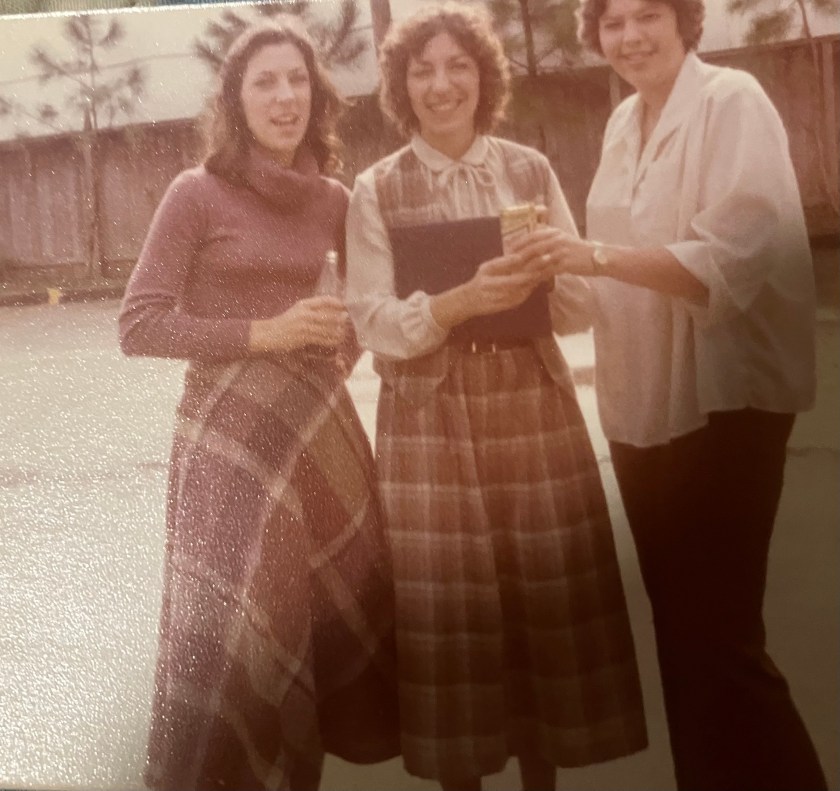
Gayle, me, & Jana
(I’m wearing my first day of teaching outfit).

After two seconds of surprise the class erupted into laughter that unified them against the enemy, the outsider, the one they viewed as a temporary teacher. To get out of the box gracefully, I would have needed a helping hand, but no seventh grader would put a teacher ahead of her reputation—not even Trina. As I spread my feet farther apart, I used my good right hand to grab the metal leg of my desk. My first attempt to pull my butt off of a pile of Houghton Mifflin’s Workbooks for the Fundamentals of Grammar and Writing failed to end my humiliation. I needed to push off with my feet and rock backwards a couple of times to get enough momentum to fall forward onto my knees. The laughter gained strength as if a seasoned comic had followed a dynamite joke with the gag that killed it. Staggering, I ripped out a few inches of my skirt’s hem with my right shoe. I took a long breath as I bent down to retrieve my papers and caught my department chair’s tired eyes looking through my door’s narrow window, probably dreading the search for my replacement so soon.

I mustered a close-lipped smile. “That’s enough,” I said and walked towards a girl laughing and slapping her desk with opened palms and I repeated, “Enough!” The girl stopped the slapping and most kids stopped laughing. I had never before wished I could evaporate into a mist and make everyone in the room forget the last several minutes. The laughter paused, and I felt twenty-seven pairs of eyes focused on me. I cleared my throat and looked at the tops of  their heads. I opened my mouth, but before I could speak, Chloe said, “Bet you ain’t too happy to be here now, Ms. Keller.” 

Despite the fact that she used my name and not the traditional “Hey, miss”; despite her using the adverb “too” correctly with the adjective “happy”; and despite my ability to keep from crying in front of those seventh graders, I could feel nothing but fear in my gut and shame in my soul. How could I ever be a teacher? Why had I not begged my mother to convince my dad to let me major in creative writing? When would be too soon to call in sick to work? What if I quit my job at Anderson and moved back in with my parents? 

I did not hate my students that day. I did not blame the principal, my department chair, or Chloe for my disastrous first day. I accepted that day’s failure and used my 22-year old optimism to get me through that spring semester.

I didn’t realize then that there would be thirty-seven years of teaching ahead of me— instructing junior high students, college freshmen, kindergarteners, and high school seniors. I would become as comfortable in front of a classroom of teens as a crawfish is in a flooded rice field. I would even miss teaching when I became a student teacher field supervisor after I retired from full time teaching. Before this first teaching job, I’d never believed teaching would be my profession. I fell into it like I fell into that box of workbooks.

Books I loved to teach
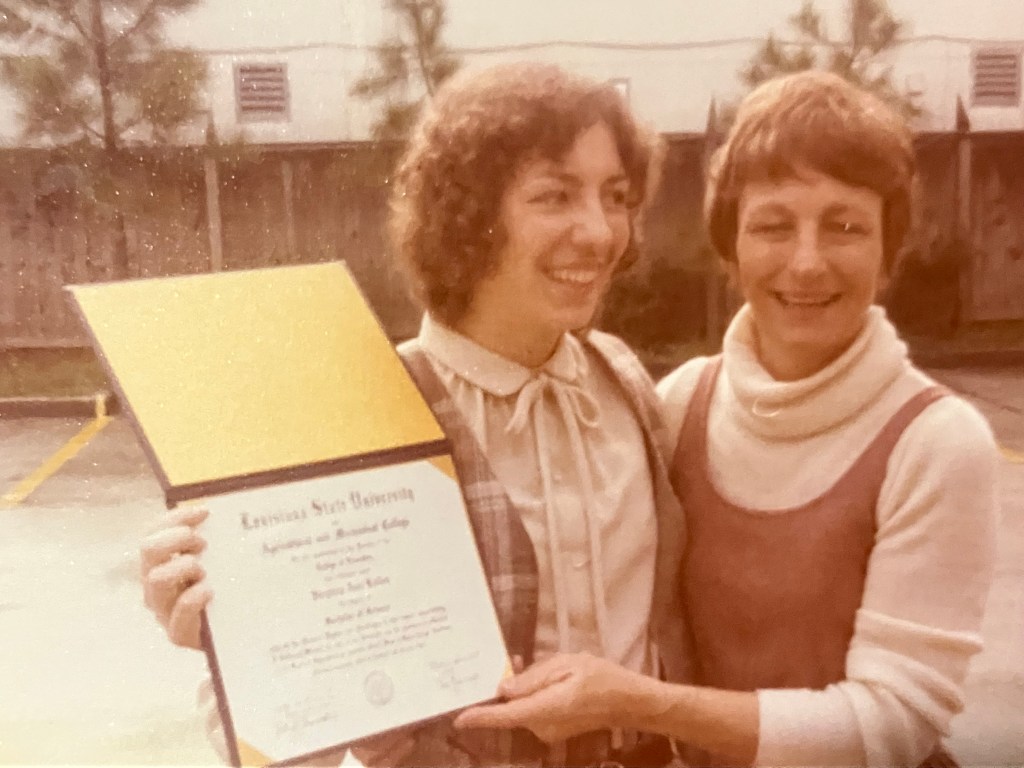
Me and Momma with my LSU diploma

Sometimes, if we’re lucky enough, we improve our talents and learn to like what we do. And maybe we land in a box built just for us. 

Posted in writing

A Writer’s Soul by Nancy Malcolm

            Writing has been a part of my life for as long as I can remember.  I had a white ‘My Diary’ journal in sixth through eighth grade.  It had a tiny key so I could lock up my secrets safely from prying eyes.  I’m positive I wrote about daily occurrences and boys I liked or who said what about something or other.  I wish I could remember what happened to ‘My Diary’.  Maybe it made it to a landfill somewhere, fully intact, secrets safely hidden.   Maybe I dramatically ripped out each page and tore it into a million pieces to protect my thoughts… I  don’t recall its demise.

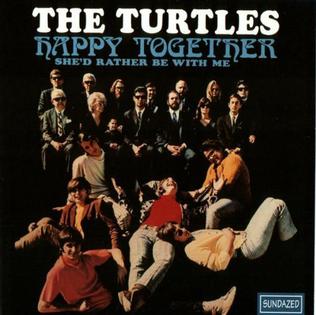
            Once, I came across some writings from high school where I had copied the words from songs. During one particular romance, it was that song by the Turtles: “Imagine me and you…I do.  I think about you day and night, it’s only right…. So happy together!”  The name of the boy is nowhere on the pages, and quite possibly he didn’t even make it to the end of the song, but I had pages of songs written out.  I must have listened to my albums playing over and over to get the words, because there was certainly no google lyrics to look up.

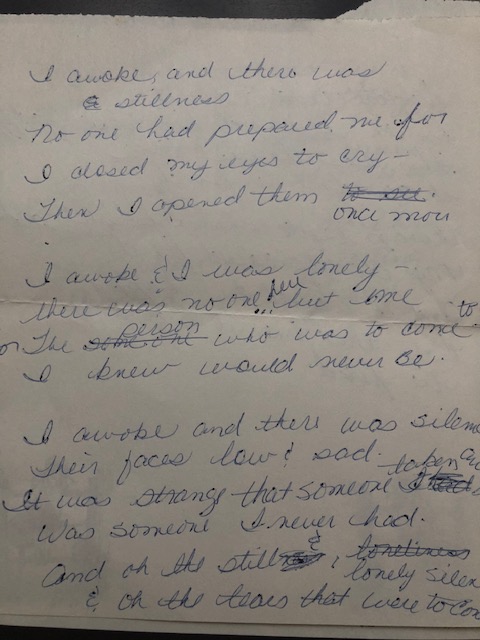
            In my early twenties, my then husband and I tragically experienced the stillbirth of our first daughter together.  The months afterward were dark for me, and I have since found the poems I wrote during that time.  The poetry of my grief was written in sprawling handwriting on sheets of stationary and somehow, I preserved them, guarding my grief like the protective mother I wanted to be.  I still feel the sadness written onto those pages.  It rises from each word like heat off a summer sidewalk.

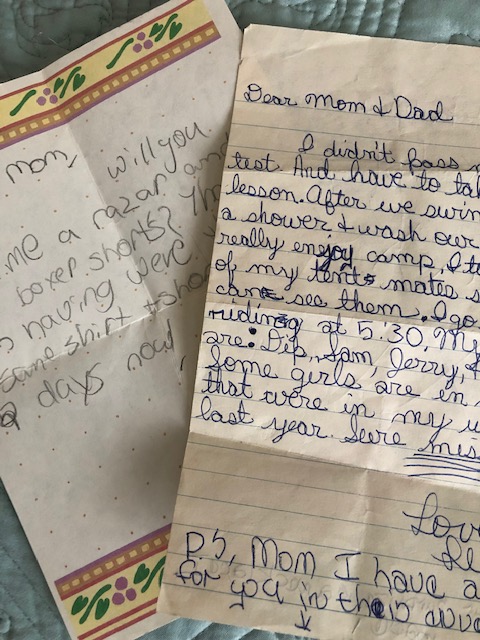
            I saved the hysterical letters I later got from my girls when they were at summer camp.  I’m sure my letters to them were discarded long ago, but theirs are short and confessional.

Dear Mom, I’ve worn the sme cloths evryday, but they made us take showers and eat cantelope.  Send stamps!  Luv, Courtney

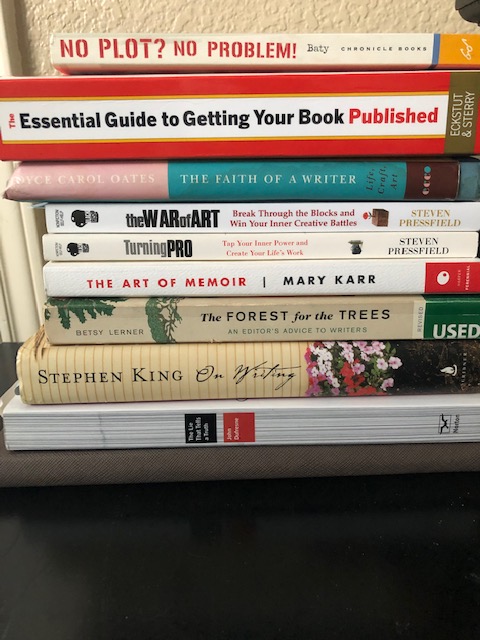
           Sittin’ Ugly Sistahs, the antics of life that Ginger and I share with you, as well as the birth of my memoir, I Thought It Was You are recent projects that fill me with joy and at times, angst. I feel as though to write is to live.  To breathe is to write.  Words scrawl across my mind like an old-fashioned typewriter clicking away.  The one thing that remains the same is my fear at being vulnerable and, in contrast, the exhilaration of facing my fear.

            I’ve learned an awful lot about myself since beginning this writer’s path.  I’ve seen boldness and shyness live on the same page.

I’ve pushed myself to see parts of my life I long ago buried.

I’ve resurrected bravery.

I’ve accepted that not everyone wants to read what I have written, and I’m learning not to take that personally because I have to write.  It’s part of who I am.  And whether trolls on the internet agree with me or not, I am a writer.

Whether an agent takes my book or not, I am a writer.

Whether my husband, children or grandchildren ever read a word I’ve written or not, I am a writer.

Whether somedays I don’t believe it myself, and my inner critic is screaming ‘You’re Not Good Enough!!’ I am a writer.

I am a writer with a writer’s soul.

I am a writer.

 “I can shake off everything as I write, my sorrows disappear, my courage is reborn.”

Anne Frank

Posted in Contemplations

Why I Write by Ginger Keller Gannaway

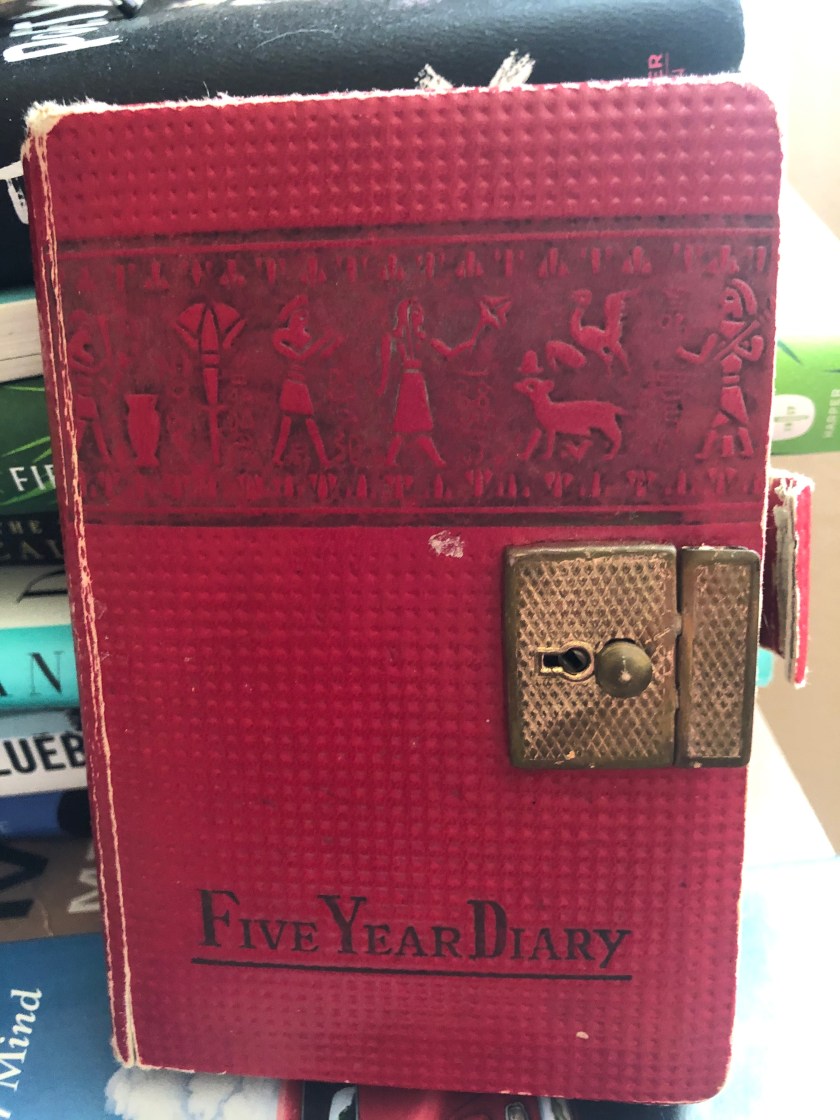
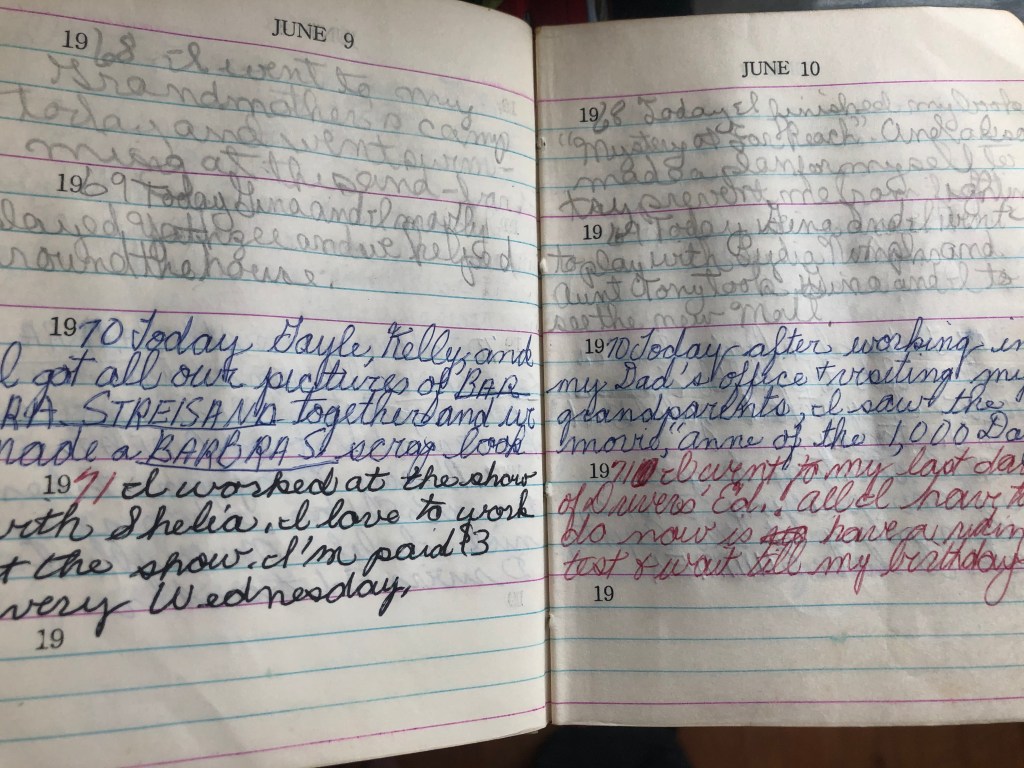
In 1968 I got a 3×5 inch red five-year diary with a tiny lock and key to protect all the wisdom and intrigue I would pour onto its pages. Each day of the year was allowed four lines, and profundity like “Today I quit playing paper dolls forever” (first entry) or “Kelly made her confirmation. It lasted 2 and a half hours. But it was comfortable with the new cushioned pews” (last entry) filled its pages.

I was a faithful writer for four years, never neglecting to document a day’s monumental trivia. I hid these pencil-written treasures in the bottom drawer of the heavy blonde oak night table next to my bed. Two years ago I reread my 12-year-old regimented thoughts and found at least three interesting entries over that four year span.

A year before I received my diary, I had tried to write a children’s book. I made up a tale about a rabbit and a crawfish and mailed off this masterpiece to the “Be a Writer!” course advertised in the back of an Archie comic book. The writing professionals sent me a typed letter that proclaimed I had “potential”! They promised me fame and publishing creds if I sent them $50. My dad exposed the company for the scam it was, and in 1967 I decided I should settle for being a world class actress instead of a writer.

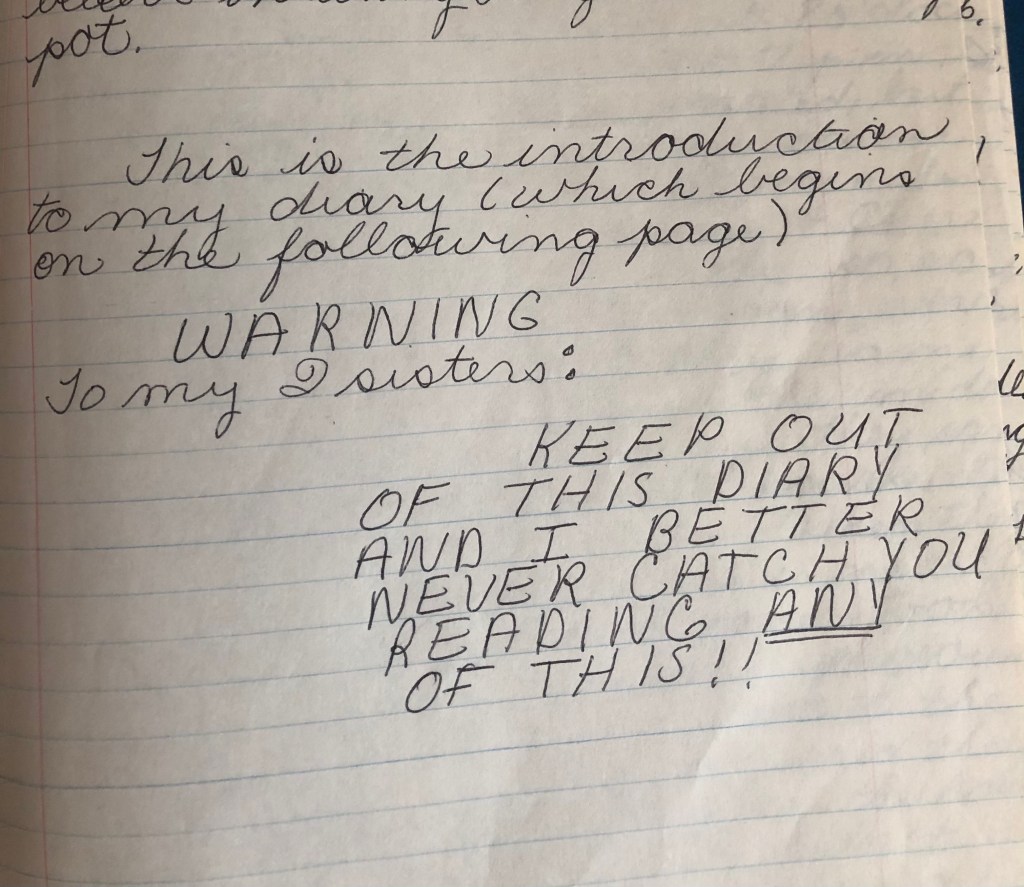
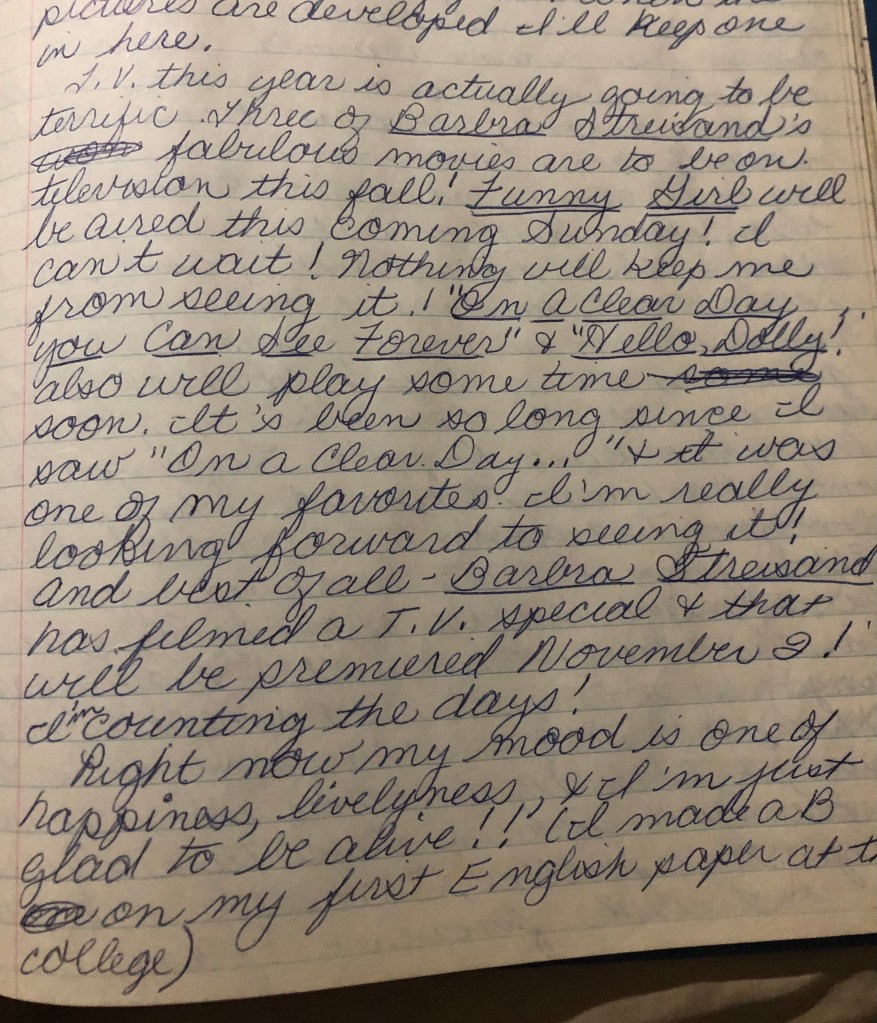
 Still I kept writing, and in 1971 I traded my red diary for a blue 8×13 ledger that expanded my writing experience. I no longer wrote every day, and a day’s entry could take up four full pages. I obsessed over fights with my sisters and crushes on boys I was terrified to talk to. My ideas danced around philosophical questions like why cousin Gina liked my sister Gayle more than me or who Bobby G. was taking to the homecoming dance. Also, my Barbra Streisand fanaticism screamed from these pages because I always wrote her name in all caps and underlined it.

Intro page of my ledger journal

Despite the banality of what I wrote, I still felt compelled to fill the ledger’s pages and apologized for sometimes letting weeks go by between entries. After the blow of the children’s book writing course, I no longer believed I was a writer; however, I needed to write for my own sanity. When I read To Kill a Mockingbird in ninth grade I loved Scout’s thoughts on being a reader before she went to school: “Until I feared I would lose it, I never loved to read. One does not love breathing.”

         When I move my pen across blank pages, ideas often come faster than I can write. Even if I later loathe what I’ve written, I feel stronger and saner. Now that I have the time to write every day, a day is not pointless if I have made time to write something down. Life is somehow easier if I write. It’s my Balm in Gilead, my parade I don’t want people raining on, and the actual rain that washes dust and bird poop off my car.

         As much as I hate the word “blog” because it sounds like a portmanteau of “blah” and “slog,” I’ll keep posting essays online because it feels equally right and ugly. I may be vomiting words that are unworthy of others’ attention, but filling pages in notebooks lets me process life’s joys and tragedies. I write for myself for sure, yet pressing the “Publish” button on a wordpress blog gives me a jolt of bravery that I think I’m addicted to.

Some of my journals for the last few years